
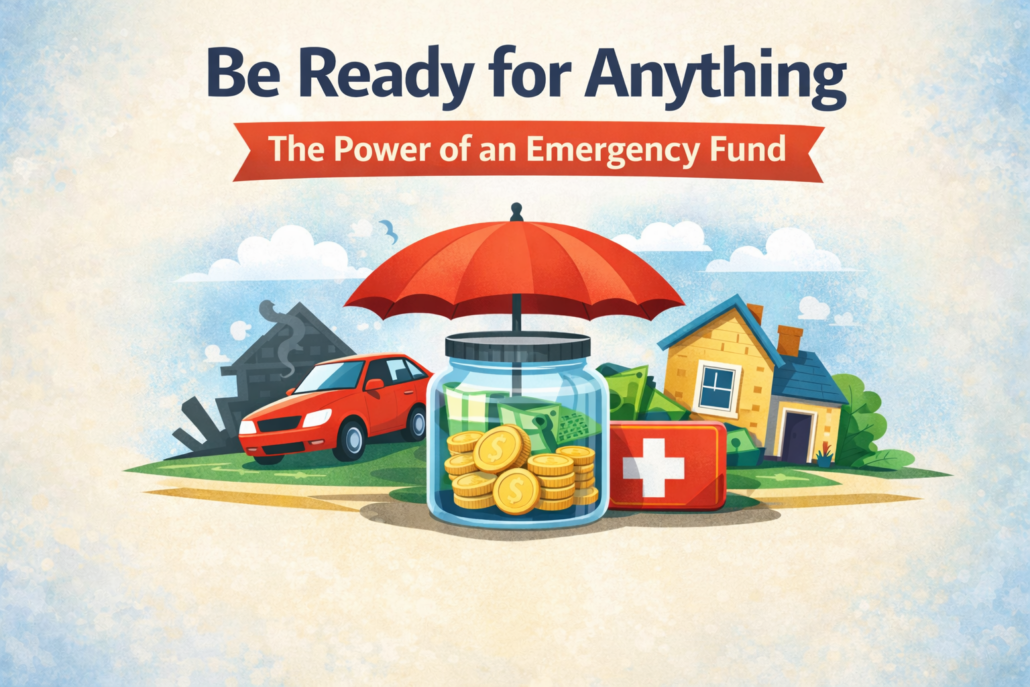
The power of an Emergency Fund
Why You Need an Emergency Fund (And How It Protects Your Future)
Life has a way of throwing surprises at us—car repairs, unexpected medical bills, job changes, or even just a run of bad luck. While we can’t always control what happens, we can control how prepared we are.
That’s where an emergency fund comes in.
What Is an Emergency Fund?
An emergency fund is a dedicated pool of money set aside for unexpected expenses. It’s not for holidays, shopping, or planned purchases—it’s your financial safety net for when life doesn’t go to plan.
Why Is It So Important?
1. It Reduces Financial Stress
Money worries are one of the biggest sources of stress. Knowing you have a backup fund gives you peace of mind. Instead of panicking when something goes wrong, you can handle it calmly and confidently.
2. It Keeps You Out of Debt
Without an emergency fund, most people turn to credit cards, personal loans, or overdrafts when unexpected costs pop up. This can quickly spiral into long-term debt.
An emergency fund helps you avoid borrowing and the interest that comes with it.
3. It Protects Your Long-Term Goals
Whether you’re saving for a home, investing, or paying off debt, an unexpected expense can derail your progress.
An emergency fund acts as a buffer, so you don’t have to dip into savings or undo months (or years) of hard work.
4. It Gives You More Control
If you lose your job or your income changes, having savings gives you options. You’re not forced to make rushed decisions—you have time to plan your next move.
How Much Should You Have?
A common guideline is:
- 3–6 months of essential living expenses
If that feels overwhelming, start smaller. Even $1,000 can make a huge difference in handling minor emergencies.
How to Build an Emergency Fund
- Start small: Set a realistic weekly or monthly savings goal
- Automate it: Treat it like a bill and transfer money automatically
- Keep it separate: Use a different account so you’re not tempted to spend it
- Be consistent: It’s not about big amounts—it’s about building the habit
When Should You Use It?
Only for true emergencies, such as:
- Urgent car repairs
- Medical expenses
- Job loss or reduced income
- Essential home repairs
If it’s not urgent or necessary, it’s probably not an emergency.
Final Thoughts
An emergency fund isn’t just about money—it’s about security, confidence, and control. It gives you breathing room when life gets unpredictable and helps you stay on track with your bigger financial goals.
If you haven’t started one yet, the best time is now. Even small steps today can make a big difference tomorrow.

